Choosing the right oil is a strategic decision for a private-label mayonnaise
When developing mayonnaise or a sauce for a private label brand, the choice of oil should not be considered a mere detail of the recipe. The oil used helps define the product’s nutritional profile, taste, sensory characteristics, and positioning. Mayonnaise made with extra virgin olive oil, one formulated with high-oleic sunflower oil, and one with flaxseed oil can meet very different market needs. Choosing the right oil therefore depends on the product you want to create, the target consumer, and the market positioning the brand aims to achieve. At Biobontà, we develop mayonnaises and sauces using various types of vegetable oils—both conventional and organic—working closely with the client to determine the desired characteristics for the formulation.
What kinds of oils can be used to make mayonnaise?
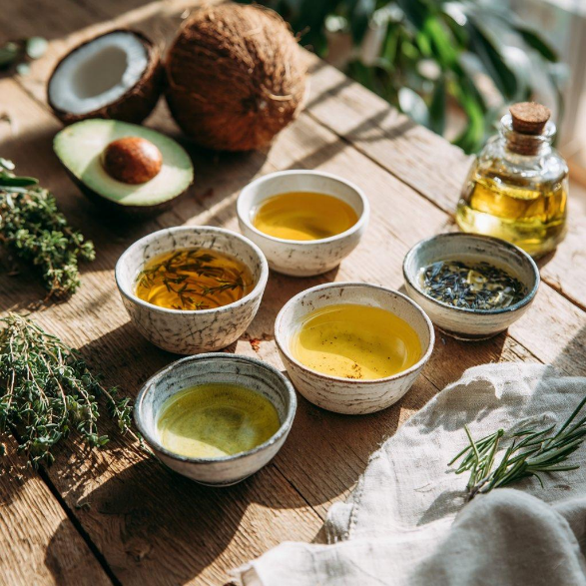
There is no single oil suitable for all types of mayonnaise. Each ingredient has different compositional, organoleptic, and technological characteristics. Among the options that can be considered when developing a mayonnaise or sauce are:
-
High-oleic sunflower oil
-
High-linoleic sunflower oil
-
Flaxseed oil
-
Extra Virgin Olive Oil
-
Avocado Virgin Oil
-
Coconut MCT Oil
The availability of these alternatives makes it possible to design different formulations based on the characteristics required by the customer and the target market.
1. High-oleic sunflower oil: a versatile choice
High-oleic sunflower oil is characterized by a high content of oleic acid, a monounsaturated fatty acid. In the refined organic version we use, the oleic acid content is at least 80%. Its delicate organoleptic profile makes it an attractive ingredient when making mayonnaise with a balanced flavor, without a pronounced oil aroma.
Why should you consider it for a private label?
-
Delicate flavor profile.
-
High content of monounsaturated fatty acids.
-
Also available in an organic version.
-
It can be incorporated into formulations intended for different market segments.
This is an option worth considering when a recipe calls for a neutral-tasting mayonnaise with a lipid profile characterized by a high oleic acid content.
2. High-linoleic sunflower oil: a different profile
High-linoleic sunflower oil has a different fatty acid composition than the high-oleic variety. It is characterized by a higher content of linoleic acid, an essential polyunsaturated fatty acid in the Omega-6 family. The organic, cold-pressed variety available in our selection is produced without the use of solvents and is subsequently filtered and purified.
When might it be a good choice?
When a development project requires an oil with a profile rich in polyunsaturated fatty acids and delicate organoleptic characteristics. The difference between high-oleic and high-linoleic sunflower oils is significant: these are two raw materials with different compositions, which should not be considered interchangeable from a nutritional standpoint.
3. Flaxseed oil: an option for formulations containing omega-3
Flaxseed oil is particularly noteworthy for its content of alpha-linolenic acid (ALA), an essential fatty acid in the omega-3 family. Its composition makes it a raw material worth considering in the development of products that aim to differentiate themselves through their fatty acid profile. We offer deodorized organic flaxseed oil, a feature that can be useful when designing formulations where the typical aromatic impact of flaxseed oil needs to be minimized.
An Opportunity for Private Label
A mayonnaise formulated with flaxseed oil can be a distinctive offering for brands interested in developing products with a specific nutritional profile. However, it is necessary to evaluate the final formulation: the presence of ALA in the oil does not automatically authorize the use of nutritional or health claims on the product. These claims must comply with applicable regulatory requirements and the actual values present in the marketed mayonnaise.
4. Extra-virgin olive oil: Mediterranean identity and character
Extra virgin olive oil is an ingredient with a strong culinary identity. Its flavor profile and oleic acid content can help give mayonnaise a distinct character compared to more neutral formulations. The Italian organic variety we are considering has a light, fruity flavor.
What kinds of projects is it suitable for?
-
Premium Mayonnaise.
-
Sauces with a strong Mediterranean character.
-
High-end organic products.
-
Private-label brands that want to stand out through recognizable ingredients.
In questo caso l’olio non svolge soltanto una funzione tecnica: può diventare un elemento distintivo della proposta commerciale.
5. Avocado virgin oil: an ingredient worth exploring
Organic virgin avocado oil is obtained through mechanical processes, without the use of solvents, and is subsequently filtered. The raw material’s technical data sheet describes a color ranging from light yellow to light green and a fruity flavor. These characteristics make it an attractive option for development projects seeking to experiment with a less conventional ingredient than the oils most commonly used in mayonnaise production.
Its Potential for Private Label
Avocado oil can be considered for premium formulations and for brands seeking to explore distinctive ingredients. Its incorporation into mayonnaise naturally requires formulation testing, sensory evaluations, and stability testing. The nutritional composition of the raw material and the finished product must be documented before making specific claims on the label.
6. Coconut MCT oil: a specialized raw material
Organic coconut MCT oil consists primarily of medium-chain triglycerides. In the specific raw material under consideration, caprylic (C8) and capric (C10) fatty acids account for 55–70% and 30–45% of the composition, respectively. It is therefore an ingredient with compositional characteristics that differ significantly from the vegetable oils traditionally used in mayonnaise.
Why consider it?
It can be evaluated in specialized formulation projects where the lipid profile is a central element of the product concept. However, it is not an automatic substitute for conventional oils: its potential use must be verified through technical and sensory testing of the finished recipe.
Comparing Oils: A Choice That Starts with the Formulation
The following table summarizes some characteristics of the raw materials under consideration. This is not a ranking: each oil may serve a different purpose depending on the project.
Oil
High-oleic sunflower oil
High-linoleic sunflower
Linseed oil
Extra virgin olive oil
Avocado oil
Coconut MCT
Distinctive feature
High oleic acid content
Presence of linoleic acid
Presence of alpha-linolenic acid (ALA)
Mediterranean aromatic identity
Fruity flavour profile
Presence of medium-chain triglycerides
Potential area for development
Mild-flavoured mayonnaises
Formulations with a polyunsaturated profile
Products with an Omega-3 profile
Premium mayonnaises
Formulazioni distintive
Specialised formulation projects
The characteristics listed refer to the raw materials. The nutritional profile, flavour and technological performance must be verified on the finished product.
How do you choose the right oil for a private-label mayonnaise?
The choice should not be based solely on the price of the raw material or on a single nutritional characteristic.
An effective development project must take at least five aspects into account:
1. Market positioning
Is the mayonnaise intended for the conventional, organic, premium or functional market segment? The positioning determines which characteristics should be prioritised.
2. Sensory profile
Does the customer want a neutral flavour, or do they want the oil to help characterise the product?
3. Nutritional profile
Is the presence of specific fatty acids important? Are nutritional claims planned? In this case, the regulatory requirements and the values of the finished product must be verified.
4. Technological characteristics
Each oil must be assessed within the formulation, taking into account emulsion, texture, stability, behaviour during storage and compatibility with other ingredients.
5. Cost and industrial feasibility
The choice must be consistent with the target price, the packaging format, the anticipated volumes and the target market.
Biobontà: development of bespoke mayonnaises and sauces for private label brands
For a company wishing to develop its own range of mayonnaises and sauces, being able to choose from a variety of raw materials presents a real opportunity for differentiation. Biobontà, a brand of Tuttovo Srl, specialises in the development and production of mayonnaises and sauces for B2B clients, offering the possibility to evaluate different vegetable oils, ingredients and product characteristics. Our approach starts with the client’s needs: target market, positioning, desired characteristics, format and cost target. The choice of raw materials is then incorporated into a development process that includes formulation evaluation, product testing and the necessary checks prior to industrial-scale production. We do not simply offer a mayonnaise to be customised. We work to develop a formulation that is consistent with the client’s project.
Would you like to make mayonnaise or a sauce using a specific oil?
If you are a buyer, an R&D manager or a food company interested in developing a new private label, we can work with you to identify the most suitable raw material for your project.
Let’s talk about it: tell us what product you want to create.
To get the comparison started, please let us know:
- Product type: mayonnaise, sauce or dressing.
- The oil or ingredient you would like to use.
- Conventional or organic version.
- Format and target market.
- Approximate volumes.
Please contact the Biobontà team for an initial assessment of the development project.
FAQ on the Development of Private Label Mayonnaise
Which oil is best suited for making private-label mayonnaise?
There is no single ‘best’ oil. High-oleic sunflower oil may be suitable for a mayonnaise with a delicate flavour; extra virgin olive oil for a Mediterranean-style version; and linseed oil for formulations containing ALA. The choice depends on the desired sensory, nutritional and commercial profile.
Is it possible to make organic mayonnaise using different oils?
Yes, it is possible to evaluate different organic oils in the formulation. The choice must take into account the organic certification of the raw materials, the compliance of the entire formulation and the requirements applicable to the finished product.
What is the difference between high-oleic and high-linoleic sunflower oil?
The main difference lies in their fatty acid composition. High-oleic sunflower oil has a higher concentration of oleic acid, whilst high-linoleic sunflower oil is characterised by a higher content of linoleic acid. They are therefore raw materials with different nutritional profiles.
Is it possible to make mayonnaise using extra virgin olive oil or avocado?
Yes, both raw materials can be considered for the development of a bespoke mayonnaise. However, the results must be verified through formulation trials, sensory evaluations and stability tests.
Can you make mayonnaise with linseed oil and claim that it contains Omega-3?
The presence of linseed oil does not automatically entitle a manufacturer to use a nutrition or health claim. It is necessary to verify the amount of alpha-linolenic acid present in the finished product and to comply with the requirements set out in European legislation on nutrition and health claims.
Can a company request mayonnaise made to a bespoke recipe with a bespoke nutritional profile?
Yes. A private label project can begin with a client brief and be developed by selecting the oils, ingredients, flavour and desired characteristics. The formulation must then undergo the necessary technical, nutritional and stability tests.
Does Biobontà produce mayonnaise and sauces for other companies?
Biobontà is the brand of Tuttovo Srl, a company that develops and manufactures mayonnaises and sauces for B2B clients. We can assess private label projects and bespoke formulations based on the required specifications, volumes and industrial feasibility.
Your next batch of mayonnaise can stand out right from the choice of oil
The difference between a standard mayonnaise and a product that stands out in the market can start with the choice of raw materials. If you are planning a new private label range, Biobontà can support you in evaluating and developing the formulation.
Tuttovo Srl – Biobontà
Development and production of mayonnaises and sauces for the B2B market.