More and more people feel they should reduce their meat consumption. The reasons are different: environmental sustainability, one’s own health, or simple curiosity.
Yet, in most cases, everything gets stuck on one sentence: “Yes, but then what do I eat?”
The truth is, you don’t have to go vegan overnight. You just need to start the right way, focusing on the taste and infinite possibilities of the plant world.
You don't have to be perfect (you have to be practical)
One of the most common mistakes is thinking that there are only two options: either you eat meat or you go 100% vegan. In fact, there is a much smarter way: to gradually reduce.

It’s the approach of those who today are called flexitarian, a flexible eating model based on: less meat, more plant-based alternatives, but the same pleasure at the table. To learn more, see the Flexitarianism entry on Wikipedia.
And that’s where it all plays out.
The real obstacle is not renunciation. It's the taste.
Let’s be blunt: the problem of plant-based food is not nutritional. It’s sensory.
Many “vegan” dishes fail because they are perceived as tasteless, monotonous, or unsatisfying. Result? We immediately return to old habits, convinced that eating plant-based means giving up the pleasure of the palate.
Where to start (without upsetting your diet)
The most effective strategy is not to change everything. It’s changing what you already eat. Here are three easy ways to incorporate more plant-based dishes into your routine:
Start with the dishes you know
Don’t reinvent the kitchen. Take your favorite dishes and create a delicious plant-based version:
Sandwiches → with legume burgers and 100% vegetable sauces;
Pasta → with vegetable and walnut cream seasonings;
Bowl → a mix of grains, vegetables, and plant-based proteins (such as chickpeas or edamame).

Replace, do not delete
Don’t take something away. Replace it with a viable alternative that satisfies you. Here are some examples of meat alternatives:
Meat → legumes, tofu, seitan;
Butter → spreadable vegetable alternatives;
Traditional sauces → 100% vegetable sauces.
Work on the flavor (everything changes here)Taste does not come from the basic ingredients. It comes from how you season them. Spices, herbs, textures and above all… sauces come into play here.
The secret that no one says: taste is in the details.
A plant-based dish can be “flat,” or incredibly satisfying. They make the difference: creaminess, intensity and contrasts. And these are built with the right condiments.

How to make vegetable dishes really good
Here are some simple but crucial rules:
Add creaminess: a good sauce completely transforms the dish, binding the ingredients and giving body;
Work on contrasts: sweet + sour, crunchy + soft. These stimuli make the experience more interesting;
Don’t be afraid of strong taste: one of the mistakes is “going light.” Vegetable needs character.
Biobontà comes into play here
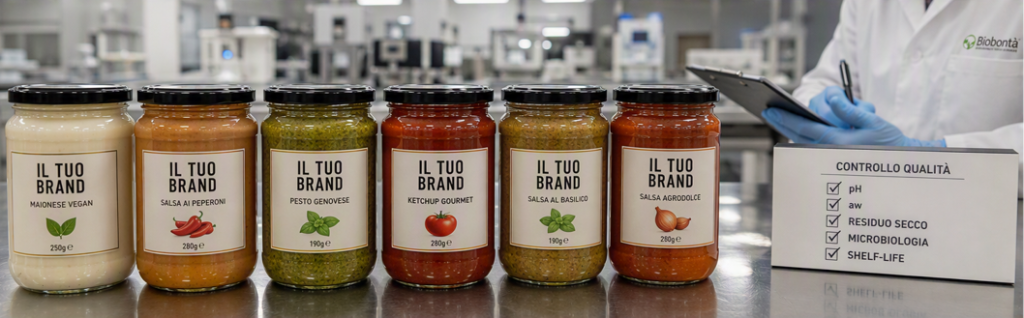
If there’s one place where it’s easy to get started, it’s this one. The sauces in Biobontà’s Animal Fat Free line are designed for exactly that: 100% vegetable, free from animal fats, with a full and satisfying taste.
You don’t have to change everything. You just have to start changing how you season what you eat.
Reducing meat is easier than you think
You don’t need extreme willpower. There’s no point in revolutionizing your life. It needs: a gradual approach, the right choices, and a little curiosity. And above all: never give up on taste.
The first step? Try
There is no need to decide today who you want to be in 10 years. Try: a meal, a recipe, a different week. And see how you feel. Because change often doesn’t start with a belief. It starts from an experience.