Quick guide for buyers and distributors
In today’s organic market, there is a fundamental distinction that makes the difference between a decent product and a truly valuable product: the type of process used after harvesting.
Not all organic products are the same. And not all organic products are alive.
Organic origin ≠ biologically alive food
A food product can be:
- certified organic
- compliant with regulations
- safe from a hygiene point of view
…and at the same time be biologically dead.
The reason is simple: many organic products undergo total sterilization, a treatment that eliminates all forms of microbial life and degrades enzymes and heat-sensitive substances.
This is what we call biologically dead.
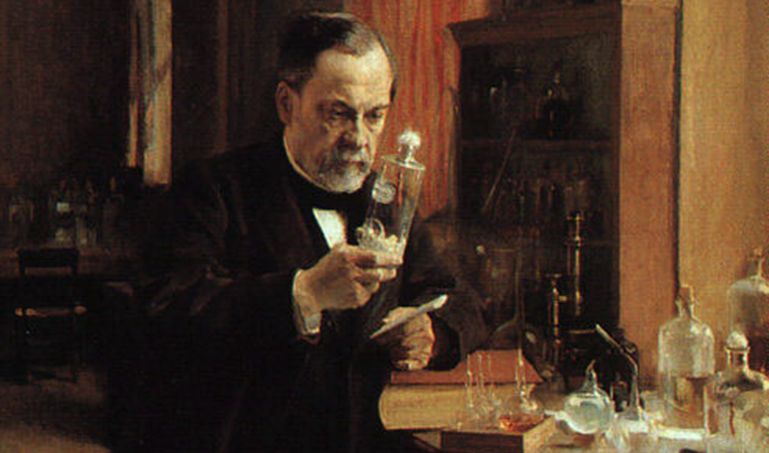
Pasteur and the difference between control and destruction
Pasteurization, introduced by Louis Pasteur, is often confused with sterilization. In reality, it was created with a very different objective.
Pasteur did not want to eliminate all bacteria, but rather reduce pathogenic bacteria while maintaining the balance of the food.
In fact, he systematized ancient practices: gentle cooking, temperature control, fermentation—techniques used for millennia to make food safe without separating it from life.
Extreme sterilization is a later, industrial process designed for:
- very long shelf life
- total standardization
- elimination of variability
With an invisible cost: the loss of food vitality.
Why this issue is strategic today
Contemporary food science and culture converge on one key point: humans are symbiotic systems.
Our microbiota is an integral part of our health.
Systematically destroying microbial life in food means simplifying and impoverishing this relationship.
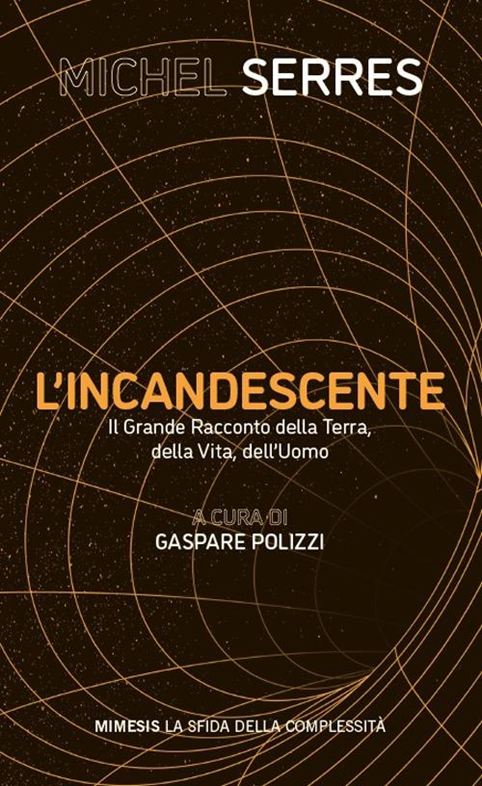
In his book L’Incandescent, philosopher Michel Serres talks about a humanity that does not dominate nature, but lives in relationship with it.
Food is one of the first places where this relationship can be respected—or disrupted.
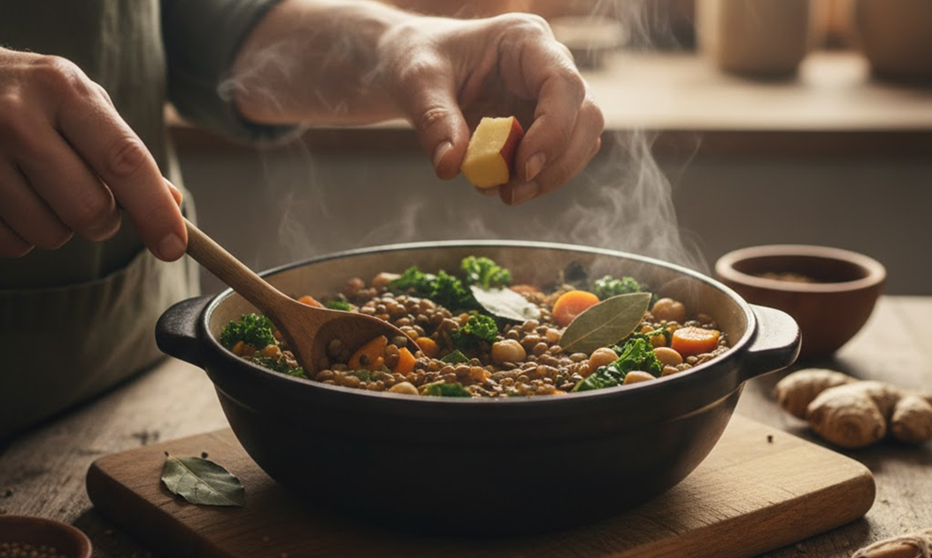
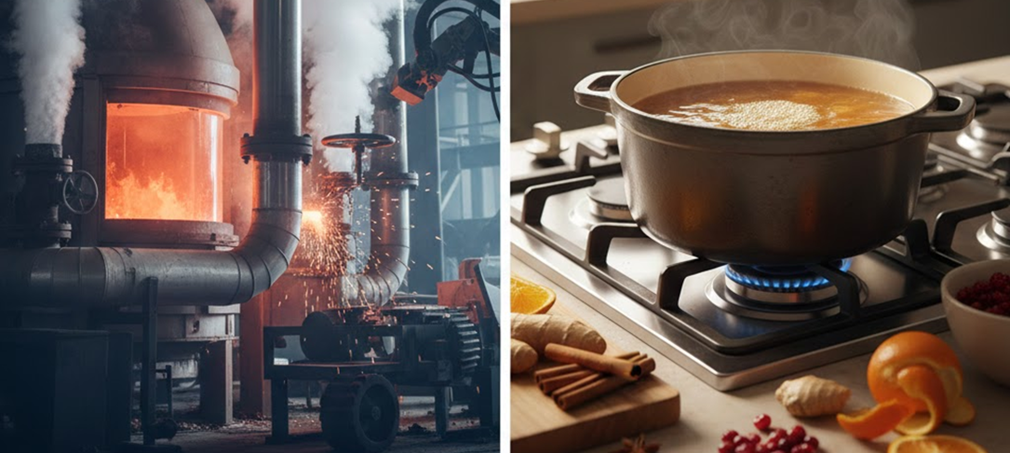
Living organic vs dead organic (operating diagram)
Live organic
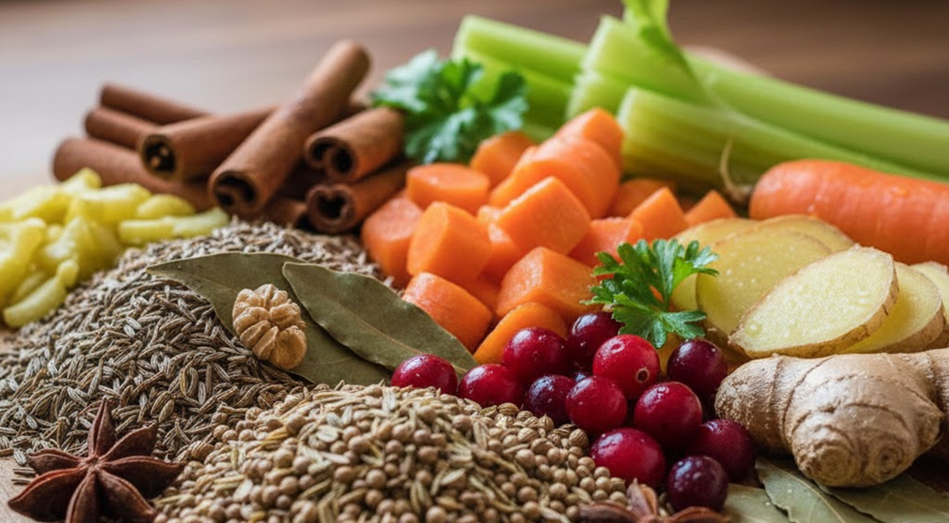
- organic raw materials
- gentle processes (e.g. pasteurization)
- greater respect for enzymes and sensitive substances
- higher quality and cultural value
Dead organic
- organic raw materials
- total sterilization
- complete elimination of microorganisms
- stable but biologically inert product
Biobontà’s choice
At Biobontà, organic farming is not just a matter of regulatory compliance, but a choice of process.
We transform organic raw materials with the aim of reducing risks without destroying life, maintaining a balance between safety, quality, and respect for biodiversity.
Organic farming at Biobontà.
For buyers and distributors
Choosing organic means:
- offering a product with a credible story
- standing out in an increasingly crowded market
- anticipating growing awareness of health, processes, and sustainability
The future of organic is not just what we sell, but how it was made possible.