


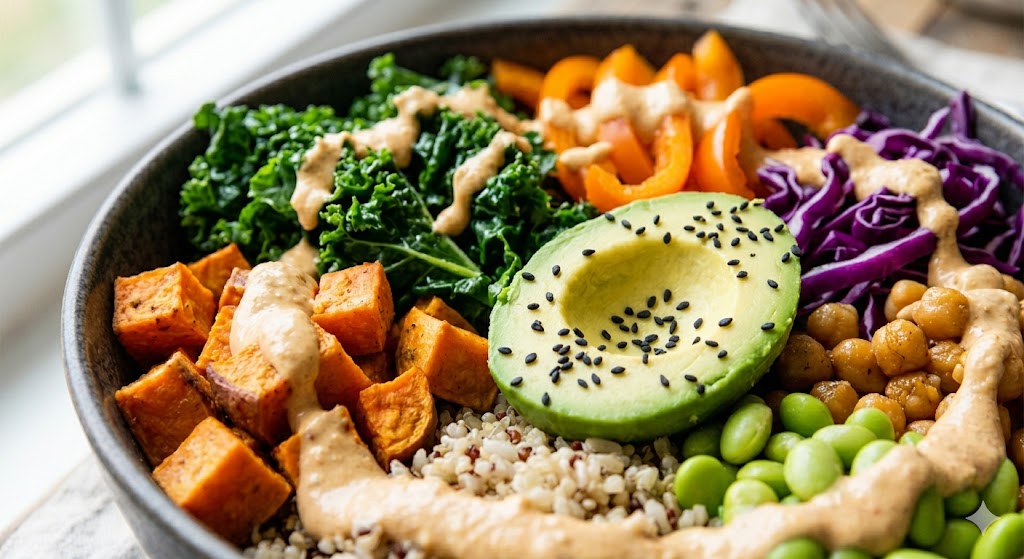
In recent years, being vegan has come to mean more than simply following a diet. It has become something deeper: a cultural, environmental and, for many, ethical choice.
Food is never neutral. Every time we decide what to put on our plate, we are revealing something about ourselves: our values, habits and worldview. And today, more than ever, this choice has a tangible impact on our planet.
Are we really what we eat?
The idea that ‘we are what we eat’ is not just a philosophy. It has scientific, social and cultural foundations. According to the World Health Organisation, the consumption of processed meat has been classified as carcinogenic, whilst red meat is considered probably carcinogenic.
At the same time, meat consumption has risen dramatically in recent decades, particularly in Western countries. This means one simple thing: we do not eat this way out of necessity, but out of habit. Choosing a vegan diet and its benefits is not merely a restriction, but an act of awareness regarding one’s own health.
The true impact of meat on the environment
Here, the issue becomes even more tangible. If we analyse the environmental impact of meat, the figures are clear:
• Land: around 59% of agricultural land is used to feed farm animals.
• Efficiency: it takes up to 26 plant-based calories to produce a single calorie of meat.
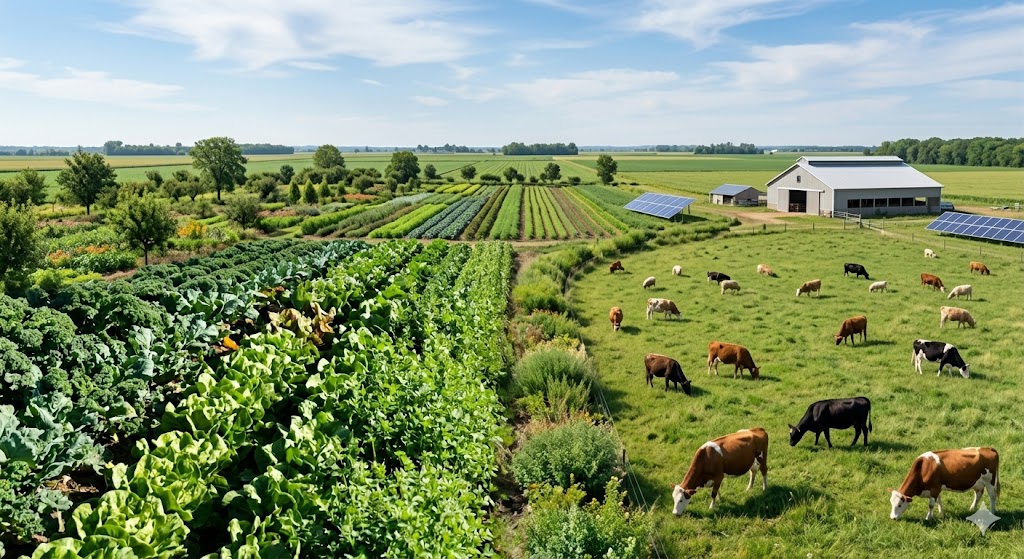
The current food system is one of the main drivers of the climate crisis. And this raises an inevitable question: can we really carry on like this?
Because change isn’t easy (and that’s okay)
Let’s be clear: becoming vegan isn’t easy. Food is tradition, culture, memory and pleasure. Changing your diet means calling all of this into question.
There is also a specific psychological mechanism known as Carnism: a belief system that leads us to consider it ‘normal’ to eat certain animals and not others. As sociologist Melanie Joy explains so well, this isn’t inconsistency: it’s cultural conditioning. Understanding this is the first step towards embracing new plant-based alternatives to meat.
An individual choice that becomes a collective one
Although it may seem like a personal choice, diet has global implications. Take countries like Bangladesh, for example: they are among the most vulnerable to climate change, yet have one of the lowest carbon footprints.
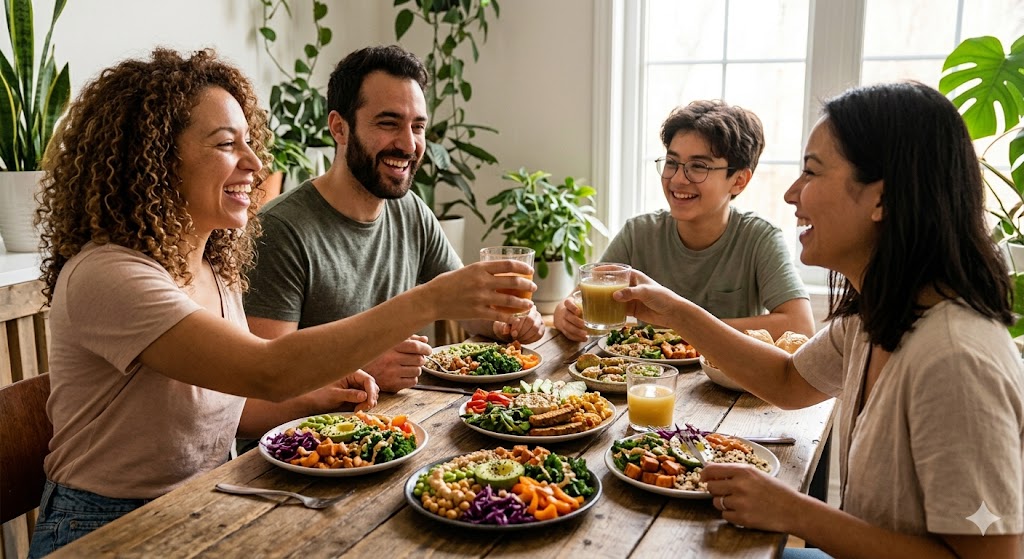
This reminds us of an uncomfortable truth: the most severe consequences of the Western way of life often fall on those who have contributed least to the problem.
Change starts with small steps (not with perfection)
You don’t have to be perfect. You just need to get started. Reducing your consumption of animal products is one of the most effective things we can do in our daily lives. Even small changes can have a huge impact on environmental sustainability.
We don’t compromise on taste (and that’s where we come in)
These days, the excuse of “flavour” no longer holds water. With its Animal Fat Free range, Biobontà has developed organic vegan sauces designed to offer a rich and satisfying flavour without any animal fats.
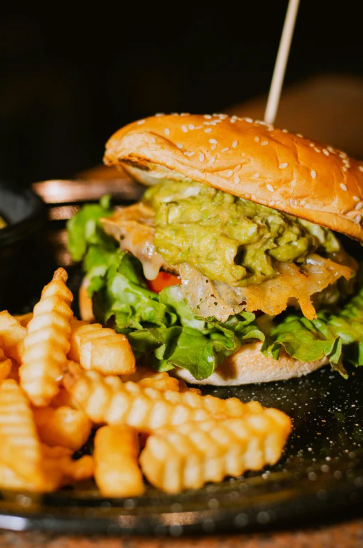
It’s all about making better choices, bringing the very best of Italy’s vegan produce to the table.
Being vegan isn’t just about diet: it’s a way of life
Being vegan today is a step towards a more sustainable diet and greater awareness.
Not everyone will follow the same path, but every choice counts. And often, it all starts with something simple: what we put on our plates.