More and more people feel they should cut down on their meat consumption. There are various reasons for this: environmental sustainability, personal health, or simply curiosity.
And yet, in most cases, it all comes down to one question: “Yes, but what am I going to eat then?”
The truth is, you don’t need to go vegan overnight. You just need to get off to the right start, focusing on flavour and the endless possibilities of the plant-based world.
You don’t need to be perfect (you need to be practical)
One of the most common misconceptions is to think that there are only two options: either you eat meat or you go 100% vegan. In reality, there is a much smarter approach: cutting down gradually.
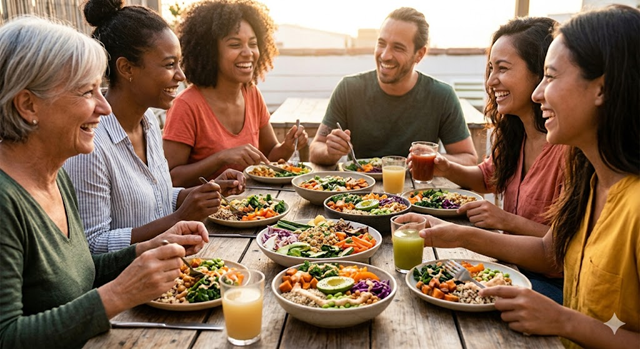
This is the approach taken by what is now known as a flexitarian – a flexible dietary model based on eating less meat and more plant-based alternatives, whilst still enjoying the same culinary pleasure. To find out more, see the entry on flexitarianism on Wikipedia.
And this is where it all comes down to.
The real obstacle isn’t giving things up. It’s the pleasure of it.
Let’s put it bluntly: the problem with plant-based food isn’t nutritional. It’s sensory.
Many ‘vegan’ dishes fail because they’re perceived as bland, monotonous or unsatisfying. The result? People quickly revert to their old habits, convinced that eating plant-based food means giving up culinary pleasure.
Where to start (without completely changing your diet)
The most effective strategy isn’t to change everything. It’s to tweak what you already eat. Here are three simple ways to incorporate more plant-based dishes into your daily routine:
- Start with the dishes you know
Don’t reinvent the wheel. Take your favourite dishes and create a tasty plant-based version:
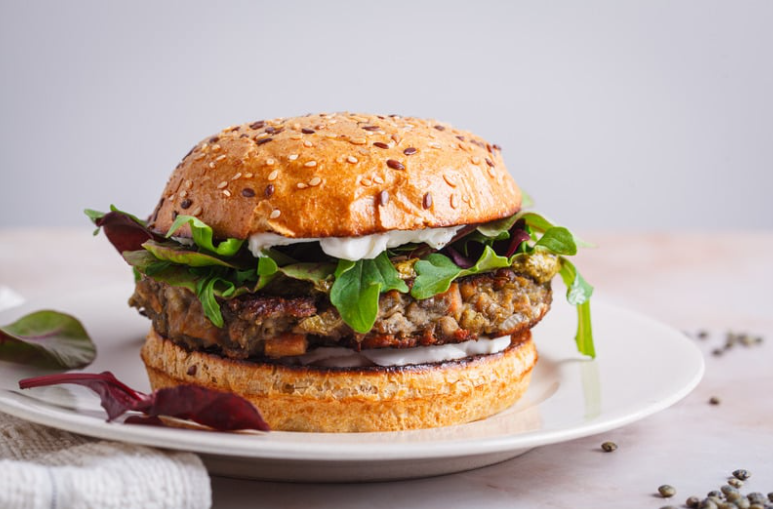
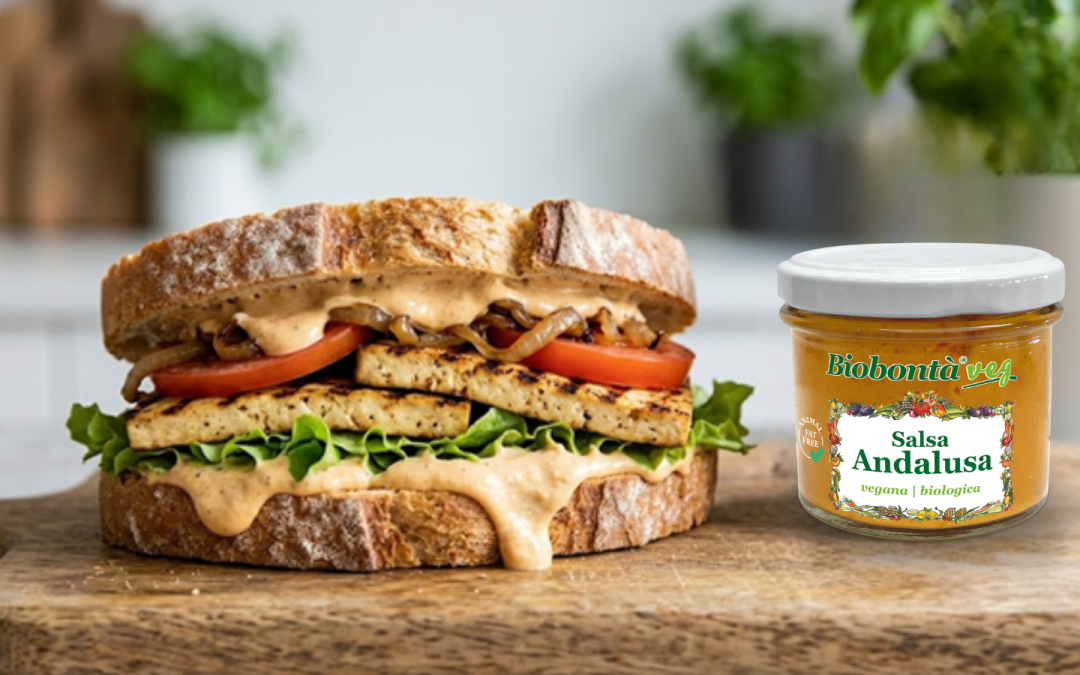
- Sandwiches → with legume burgers and 100% plant-based sauces;
- Pasta → with vegetable-based sauces and nut butters;
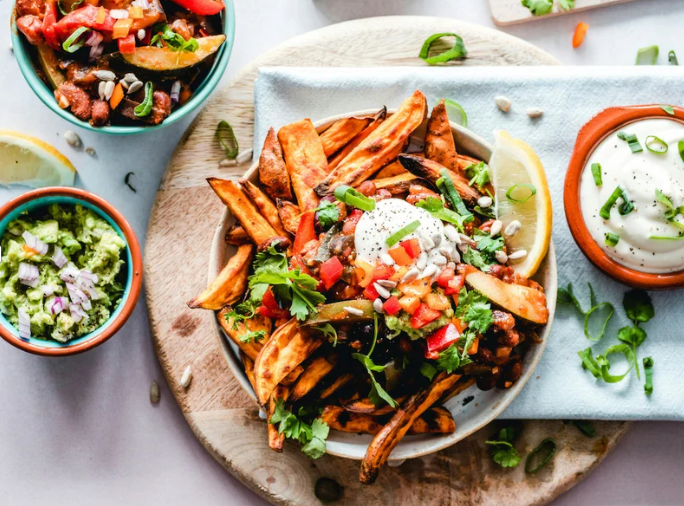
- Bowls → a mix of grains, vegetables and plant-based proteins (such as chickpeas or edamame).
- Replace, don’t delete
Don’t cut anything out. Replace it with a good alternative that you enjoy. Here are some examples of alternatives to meat:
- Meat → pulses, tofu, seitan;
- Butter → plant-based spreads;
- Traditional sauces → 100% plant-based sauces.
- Focus on the flavour (that’s what makes all the difference)
Flavour doesn’t come from the basic ingredients. It comes from how you season them. This is where spices, herbs, textures and, above all… sauces come into play.
The secret nobody talks about: the devil is in the detail
A vegetable dish can be rather bland, or incredibly satisfying. The difference lies in its creaminess, intensity and contrasts. And these are achieved with the right seasonings.
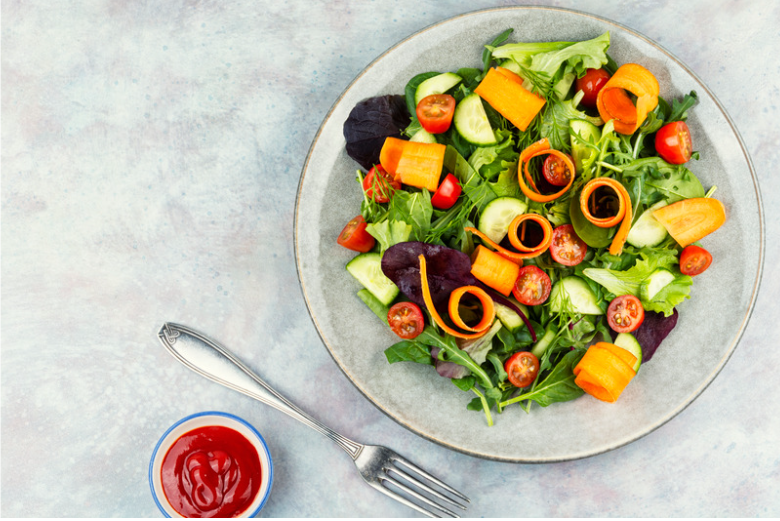
How to make really tasty vegetable dishes
Here are a few simple but crucial rules:
- Add richness: a good sauce completely transforms a dish, binding the ingredients together and giving it body;
- Play with contrasts: sweet + sour, crunchy + soft. These contrasts make the experience more interesting;
- Don’t be afraid of bold flavours: one of the common mistakes is to ‘play it safe’. Vegetables need character.
This is where Biobontà comes in
If there’s one place to start, this is it. The sauces in Biobontà’s Animal Fat Free range are designed precisely for this purpose: 100% plant-based, free from animal fats, with a rich and satisfying flavour.
You don’t have to change everything. You just need to start changing how you season your food.
Cutting down on meat is easier than you think
You don’t need iron willpower. You don’t need to turn your life upside down. What you do need is a gradual approach, the right choices and a bit of curiosity. And above all: never compromise on flavour.
The first step? Give it a go
You don’t need to decide today who you want to be in 10 years’ time. Give it a go: a meal, a recipe, a different kind of week. And see how you feel. Because change often doesn’t start with a conviction. It starts with an experience.